
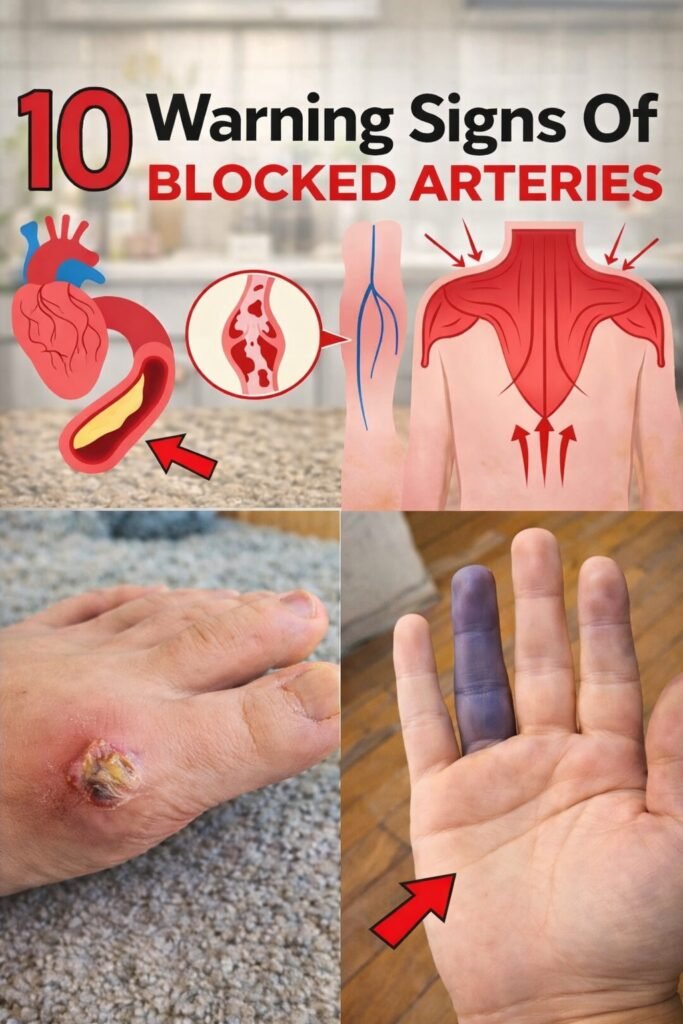
Peripheral artery disease (PAD) affects millions of people, often without them realizing it until complications arise. Many adults experience subtle changes in their legs and feet that get brushed off as normal aging or minor discomfort. These signs can point to reduced blood flow from narrowed arteries, increasing risks for more serious issues if left unaddressed. Recognizing them early allows for timely discussions with a healthcare provider.
What if these everyday clues are your body’s way of asking for attention? Keep reading to learn the key signs backed by medical insights, plus practical steps to take next.
Why Blocked Leg Arteries Are a Hidden Concern After 40
As we age, especially after 40, arteries can narrow due to plaque buildup, restricting blood flow to the legs and feet. Studies show PAD affects a significant portion of adults over 60, with many cases going unnoticed because symptoms seem mild or get blamed on “getting older.”
This reduced circulation means muscles and tissues receive less oxygen and nutrients during activity. Over time, it can lead to discomfort, slower healing, and higher chances of cardiovascular concerns. But here’s the encouraging part: awareness and early conversations with a doctor can make a real difference.
Self-reflection: How often do your legs feel tired or uncomfortable during daily walks? Noticing patterns is the first step.
Warning Sign #1: Intermittent Claudication – Pain That Comes and Goes with Activity
The most recognized sign is leg pain or cramping that starts during walking or exercise and eases with rest. Often felt in the calves, thighs, or buttocks, this happens because muscles demand more oxygen-rich blood during movement, but narrowed arteries can’t supply enough.
Research from sources like the American Heart Association highlights this as a common pattern in PAD. The pain typically resolves within minutes of stopping, only to return when activity resumes.
But that’s not all—many people describe it as a tight, burning sensation that forces them to pause. If this sounds familiar, tracking how far you can walk before discomfort sets in can provide useful information for your doctor.
Warning Sign #2: Weak or Absent Pulses in the Legs and Feet
Healthy arteries produce strong, rhythmic pulses in areas like behind the knee or on the top of the foot. When these feel faint or missing during a medical exam, it often signals restricted flow.
Doctors use simple checks or tools like Doppler ultrasound to assess this. Reliable sources note that weak pulses frequently appear even before noticeable pain develops.
Quick tip: While self-checking isn’t always reliable, professional evaluation is straightforward and revealing.
Warning Sign #3: Changes in Skin Color and Temperature
One leg or foot may appear paler when elevated or take on a bluish tint when hanging down. The affected area often feels cooler compared to the other side.
These visual and sensory differences stem from chronic low blood supply affecting skin and tissues. Medical reviews link them to ongoing oxygen shortages.
Compare both legs in good lighting: Persistent differences warrant attention.
You’re already ahead by reading this far—let’s keep going.
Warning Sign #4: Slow-Healing Wounds or Sores on Legs and Feet
Minor cuts, blisters, or sores that linger for weeks instead of healing normally are concerning. Poor circulation limits delivery of oxygen, nutrients, and immune support needed for recovery.
This is especially relevant for those with diabetes, where risks increase. Health organizations emphasize that non-healing wounds on the lower extremities deserve prompt evaluation.
Any sore lasting more than two weeks? It’s worth discussing with a provider.
Mid-Article Check-In
Pause for a moment:
- How many signs have we covered? (4 so far)
- Which symptom resonates most with you?
- What do you think the next sign might be?
- On a scale of 1-10, how’s your leg comfort feeling right now compared to when you started?
Ready for the rest? Here we go.
Warning Sign #5: Shiny, Hairless Skin on the Legs
Leg hair may thin out or disappear below the knee, while skin becomes unusually smooth and shiny.
This change occurs as reduced blood flow affects hair follicles and skin texture. Vascular studies report this in a notable portion of moderate cases.
Side-by-side leg comparison often highlights the difference clearly.
Warning Sign #6: Erectile Dysfunction in Men as an Early Clue
In men, new or worsening erectile dysfunction can appear before leg symptoms. Smaller arteries in the pelvic area show blockages earlier.
Medical journals note a strong connection between this and broader arterial issues. For many, it prompts the first vascular evaluation.
It’s an important systemic signal—not just an isolated concern.
Warning Sign #7: Numbness, Tingling, or Ongoing Leg Weakness
Legs may feel heavy, numb, or tingly, even at rest. Persistent weakness or “rubbery” sensations can develop.
These arise from nerves and muscles not getting adequate blood supply over time. Sources link them to chronic reduced flow.
Rate your leg sensation: Ongoing unusual feelings merit attention.
7 Warning Signs at a Glance
Here’s a quick comparison table:
| Sign # | Symptom | Why It Happens | Urgency Level | Suggested Next Step |
|---|---|---|---|---|
| 1 | Activity-related pain eases with rest | Oxygen demand unmet | High | See a doctor soon |
| 2 | Weak or absent pulses | Flow severely restricted | Very High | Immediate professional check |
| 3 | Color and temperature changes | Chronic low oxygen | High | Evaluate asymmetry |
| 4 | Non-healing wounds/sores | Healing nutrients blocked | Critical | Urgent care, especially with diabetes |
| 5 | Shiny, hairless skin | Follicle starvation | Medium-High | Compare legs |
| 6 | Erectile dysfunction (men) | Smaller arteries affected first | High | Discuss with provider |
| 7 | Numbness, tingling, weakness | Nerve/muscle ischemia | High | Vascular + neurological eval |
Bonus Tips: Steps You Can Take Today
While only a healthcare provider can guide personalized care, these general strategies support leg health:
- Stay active gently: If mild discomfort occurs, supervised walking programs can help build alternative blood pathways over time.
- Elevate legs when resting: This may ease swelling without worsening flow issues.
- Avoid smoking: It’s one of the strongest modifiable factors linked to progression.
- Monitor foot care: Keep feet clean, moisturized, and protected to prevent minor issues from escalating.
The Key Takeaway: Listen to Your Legs Before It’s Too Late
These signs often interconnect as part of broader vascular health. PAD in the legs can reflect changes elsewhere in the body, so addressing them early supports overall well-being. Picture continuing daily activities with more ease and confidence—that’s possible for many with timely steps.
Take one action today: Schedule a check-up and mention any signs you’ve noticed. Simple tests like the Ankle-Brachial Index (ABI) provide valuable insights non-invasively.
Bookmark this for later reference. Share it with someone over 50 who might benefit.
Frequently Asked Questions
What is the most common early sign of PAD in the legs?
The most frequent is muscle cramping or pain during walking that improves with rest, known as intermittent claudication.
Can PAD symptoms appear without pain?
Yes—many people have no noticeable pain but show other signs like weak pulses, skin changes, or slow-healing sores.
How is PAD typically detected early?
A simple ABI test compares blood pressure in the arms and ankles. It’s quick, painless, and highly informative.
This article is for informational purposes only and is not a substitute for professional medical advice. If you notice any of these signs—particularly non-healing wounds, rest pain, or sudden changes—consult your healthcare provider right away. Early evaluation can help protect your health and mobility.