
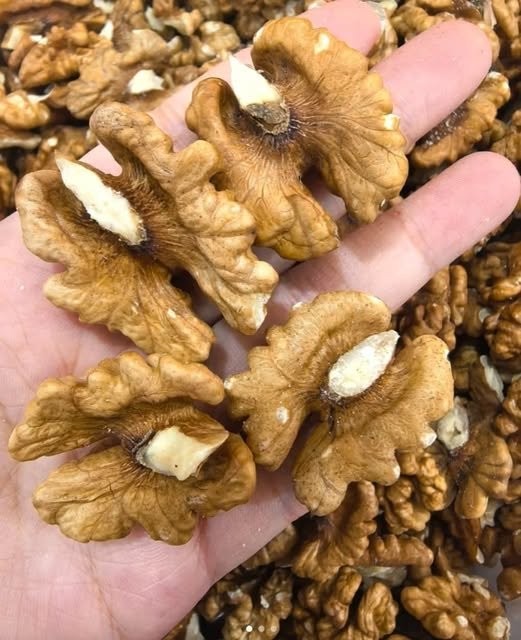
They look like tiny brains—and it turns out, that’s no coincidence.
Walnuts aren’t just a crunchy snack to toss into salads or sneak into brownies. They’re a nutritional powerhouse that, when eaten regularly, can spark profound changes in your brain, heart, metabolism, and even your sleep.
Backed by science and endorsed by doctors, here’s what really happens when you add a small handful of walnuts to your daily routine.
What Makes Walnuts So Special?
Walnuts stand out from other nuts for one key reason: they’re rich in alpha-linolenic acid (ALA) —a plant-based omega-3 fatty acid that your body can’t produce on its own. They also contain:
- Polyphenols – Powerful antioxidants that reduce inflammation
- Melatonin – The sleep-regulating hormone
- Vitamin E – Protects cells from damage
- Copper – Supports energy production and brain health
- Manganese – Important for bone health and metabolism
-
Folate – Essential for cell growth and DNA synthesis
-
Magnesium – Supports muscle and nerve function
But it’s the combination—the synergy—of these compounds that makes walnuts so remarkable.
What Happens to Your Brain
1. Cognitive Function Improves
Walnuts are often called “brain food” for good reason. Their high levels of DHA (a type of omega-3), antioxidants, and vitamin E work together to:
- Protect brain cells from oxidative damage
-
Improve memory and learning – Studies show walnuts can enhance cognitive performance
-
Slow age-related cognitive decline – Regular consumption may help keep your brain sharp as you age
The research: A 2020 study found that eating walnuts daily improved memory and concentration in young adults. Another study showed that older adults who ate walnuts regularly performed better on cognitive tests than those who didn’t.
2. Mood May Lift
The omega-3s in walnuts are linked to lower rates of depression and anxiety. They help regulate neurotransmitters and reduce inflammation in the brain—both factors in mood disorders.
3. Neuroprotection
The antioxidants in walnuts may help protect against neurodegenerative diseases like Alzheimer’s and Parkinson’s by reducing oxidative stress and inflammation in brain tissue.
What Happens to Your Heart
1. Cholesterol Improves
Walnuts have been shown to:
- Lower LDL (“bad”) cholesterol
-
Reduce triglycerides
-
Improve the LDL:HDL ratio
The research: The FDA even allows a qualified health claim for walnuts stating that “eating 1.5 ounces per day of walnuts as part of a diet low in saturated fat and cholesterol may reduce the risk of heart disease.”
2. Blood Pressure May Drop
The ALA and other compounds in walnuts help relax blood vessels, improving circulation and potentially lowering blood pressure.
3. Arteries Become More Flexible
Walnuts improve endothelial function—the health of the lining of your arteries—which helps them dilate properly and respond to changes in blood flow.
4. Inflammation Decreases
Chronic inflammation is a major driver of heart disease. Walnuts’ polyphenols and omega-3s work together to reduce inflammatory markers throughout the body.
What Happens to Your Metabolism
1. Blood Sugar Stabilizes
Despite being calorie-dense, walnuts have a minimal impact on blood sugar. Their healthy fats, protein, and fiber slow the absorption of carbohydrates, preventing spikes and crashes.
The research: Studies show that walnuts can improve insulin sensitivity in people with type 2 diabetes.
2. Weight Management May Become Easier
This might seem counterintuitive—nuts are high in calories, after all. But research consistently shows that nut consumption is associated with healthier body weight, not weight gain.
Why:
-
Protein and fiber increase satiety
-
Some calories may not be fully absorbed
-
Walnuts may increase resting energy expenditure
-
They help reduce cravings for less healthy snacks
3. Gut Health Improves
Walnuts act as a prebiotic, feeding beneficial gut bacteria. A healthy gut microbiome is linked to better metabolism, reduced inflammation, and even improved mood.
What Happens to Your Sleep
Walnuts are one of the few plant sources of melatonin—the hormone that regulates your sleep-wake cycle.
What it means: Eating walnuts may help you fall asleep faster and improve sleep quality. Some studies suggest that the combination of melatonin, healthy fats, and magnesium makes walnuts a natural sleep aid.
What Happens to Your Skin
The vitamin E, omega-3s, and antioxidants in walnuts:
-
Protect against UV damage
-
Support collagen production
-
Reduce inflammation that can lead to acne and premature aging
-
Keep skin hydrated from the inside out
How Many Walnuts Should You Eat?
The research points to about 1 ounce per day—that’s roughly a small handful or about 14 walnut halves.
This amount provides all the benefits without excessive calories (about 185 calories per ounce).
How to Add Walnuts to Your Diet
-
Handful as a snack – Simple and satisfying
-
Chopped on oatmeal or yogurt – Adds crunch and nutrition
-
In salads – Pairs beautifully with apple, pear, or goat cheese
-
In baked goods – Brownies, banana bread, muffins
-
Blended into pesto – Replace pine nuts with walnuts
-
As a crust for fish or chicken – Crushed walnuts add flavor and texture
-
In homemade granola – Perfect with oats and dried fruit
-
In smoothies – Adds healthy fats and creaminess
Buy vitamins and supplements
Are There Any Precautions?
Walnuts are safe for most people, but:
-
Nut allergies: Walnut allergy can be severe. If you have tree nut allergy, avoid walnuts.
-
Calorie awareness: While healthy, walnuts are calorie-dense. Stick to the recommended portion.
-
Oxalates: Walnuts contain oxalates, which can contribute to kidney stones in susceptible individuals. If you have a history of stones, moderate your intake.
-
Blood thinners: High doses of walnuts may have mild blood-thinning effects. If you take anticoagulants, maintain consistent intake and consult your doctor.
The Bottom Line
Doctors reveal that eating walnuts regularly can:
-
Sharpen your brain and protect against cognitive decline
-
Strengthen your heart by improving cholesterol and blood pressure
-
Stabilize your metabolism and support healthy weight
-
Improve your sleep with natural melatonin
-
Nourish your skin from the inside out
It’s not a miracle cure. No single food is. But as part of a healthy, balanced diet, walnuts are one of the most powerful, nutrient-dense foods you can eat.
A handful a day might just be one of the simplest, most delicious things you can do for your long-term health.