
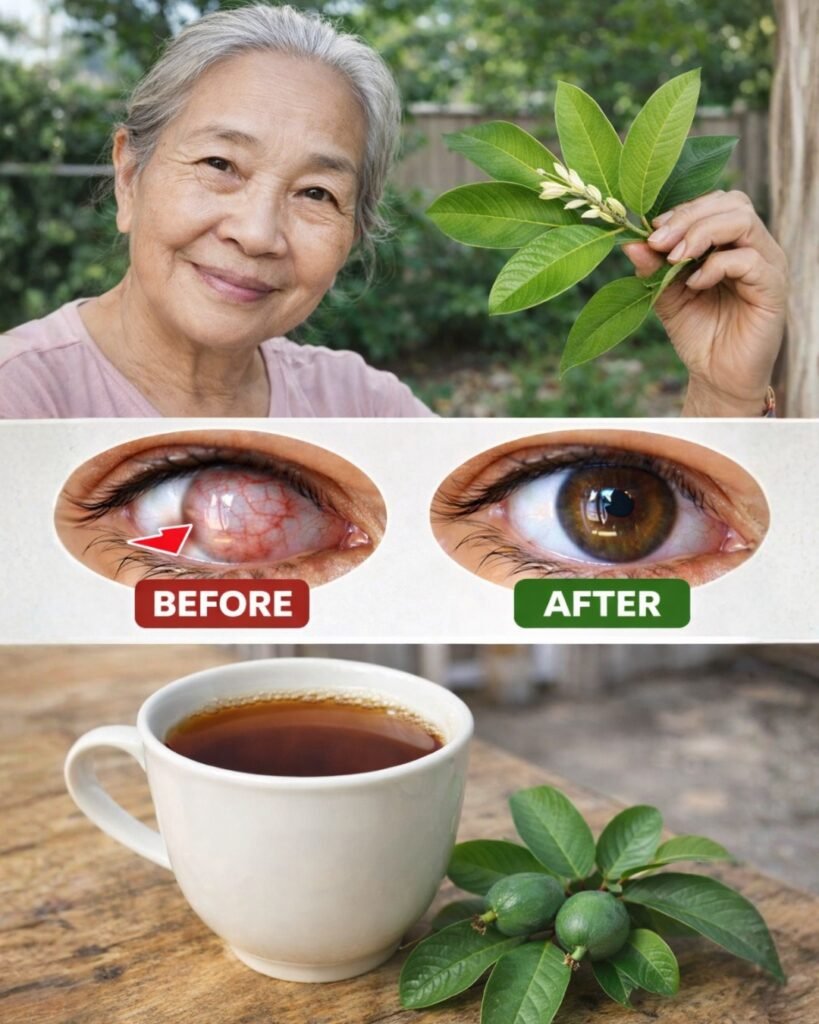
Many people over 40 notice subtle changes in their vision—perhaps tired eyes after long screen time, occasional dryness, or just a bit more strain during daily tasks like reading or driving at night. These common experiences can make everyday activities feel less enjoyable and remind us how precious clear, comfortable sight really is. While no single food can replace professional eye care, incorporating nutrient-rich options into your diet offers a gentle way to provide your eyes with supportive building blocks. That’s where guava comes in—a tropical fruit celebrated in many cultures for its vibrant flavor and impressive nutrient profile.
What makes guava stand out? Its combination of vitamins and antioxidants may play a supportive role in eye wellness, drawing from both traditional practices and emerging research insights. Stick around to the end for a surprising nutrient fact that might make you reach for this fruit more often.
Why Guava Draws Attention for Eye Support
Guava (Psidium guajava) is more than just a sweet-tart treat—it’s packed with compounds that align with what eye health experts often highlight. The fruit delivers high levels of vitamin C (often more than oranges) and beta-carotene, a precursor to vitamin A, both of which contribute to overall cellular protection. Studies, including those referenced in nutritional reviews, link adequate intake of these nutrients to supporting retinal function and reducing oxidative stress from daily environmental factors.
Guava leaves bring additional interest, containing flavonoids like quercetin and other antioxidants. Traditional uses in various cultures include herbal preparations for general comfort, and some lab studies explore their potential anti-inflammatory and antimicrobial properties—though human evidence remains limited and preliminary.
But that’s just the beginning. Let’s explore how these elements might connect to everyday eye concerns.
9 Potential Ways Guava May Contribute to Eye Wellness

Here are nine aspects where guava’s nutrients and traditional applications spark curiosity—always remember these are supportive possibilities, not guarantees.
- Vitamin A Nourishment from Beta-Carotene
Beta-carotene in guava converts to vitamin A in the body, which plays a key role in maintaining corneal health and supporting low-light vision. Research from sources like the National Eye Institute emphasizes vitamin A’s importance for eye surface integrity. - Antioxidant Protection Against Oxidative Stress
With lycopene (especially in pink varieties), vitamin C, and other compounds, guava helps combat free radicals that can affect eye tissues over time. Nutritional studies suggest diets rich in such antioxidants may support long-term eye cell health. - Mild Anti-Inflammatory Support
Quercetin in guava leaves shows promise in preliminary research for calming effects. Traditional herbal approaches sometimes use leaf preparations for general soothing, though more studies are needed. - Potential Moisture and Comfort Aid
Vitamin A supports tear film production, which can help with occasional dryness. Including guava in meals might contribute to this foundational aspect of eye comfort. - Support for Age-Related Eye Health
Carotenoids and antioxidants in guava align with findings from studies like those on age-related changes, where nutrient-rich diets appear linked to slower progression of certain concerns (e.g., references in AREDS-related research). - Immune and Barrier Reinforcement
High vitamin C bolsters collagen in eye structures and supports immune responses, potentially aiding resilience against everyday irritants. - Traditional Antimicrobial Hints
Some in-vitro studies on guava leaf decoctions note activity against certain bacteria, inspiring traditional uses for minor external comfort—though never for direct eye application without expert guidance. - Soothing External Applications
In folklore, cooled leaf compresses offer gentle relief for puffiness or irritation around the eyes. Always prioritize safety and sterility. - Holistic Nutritional Harmony
Combining guava’s nutrients creates a synergistic effect—antioxidants, vitamins, and fiber working together to support overall wellness, including eyes.
But wait—there’s more to uncover in the nutrients breakdown.
Guava Nutrients at a Glance

Here’s a quick overview of key components and their potential ties to eye support:
- Fruit
- Beta-carotene → Converts to vitamin A for vision maintenance
- Vitamin C → Powerful antioxidant for cellular protection
- Lycopene (in pink guava) → Supports oxidative balance
- Leaves
- Quercetin and flavonoids → Preliminary anti-inflammatory and antioxidant hints
- Traditional antimicrobial properties in lab settings
- Combined
- Overall antioxidants → May help reduce everyday oxidative stress
These nutrients shine brightest when part of a balanced diet.
Real-Life Ways People Incorporate Guava
Many share stories of adding guava for its refreshing taste and potential perks. One person in their 50s started eating fresh guava regularly and noticed improved general comfort alongside stable eye check-ups. Another used cooled, strained leaf tea as an external rinse (after consulting a professional) and appreciated the soothing ritual. Experiences vary, and individual results depend on many factors.
Important Safety Note: Never apply unstrained or untested preparations directly to the eyes—risk of irritation or infection is real. Always patch-test skin first and consult a healthcare provider.
Simple, Safe Ways to Enjoy Guava
Ready to try? Here are practical steps:
Eat the Fruit
- Choose ripe, fresh guava.
- Wash thoroughly.
- Eat 1–2 daily raw, in salads, or smoothies for nutrient absorption.
Brew Leaf Tea (Internal Use)
- Pick young, clean leaves (from a trusted source).
- Boil 5–10 leaves in water for 5–10 minutes.
- Strain and cool; drink 1–2 cups daily.
External Compress (If Desired)
- Boil young leaves, cool completely, and strain.
- Soak a clean cloth in the liquid.
- Apply gently to closed eyelids for 5–10 minutes (external only).
- Stop if any discomfort occurs.
Start small, source clean ingredients, and prioritize hygiene—especially for any topical use.
Embrace Guava as Part of Your Wellness Routine
Adding guava won’t transform your vision overnight, but its rich profile of supportive nutrients offers an enjoyable way to nourish your eyes naturally. From juicy bites to soothing teas, it fits easily into daily life while contributing to overall health.
Try incorporating guava this week—notice how it feels. Your eyes work hard; giving them nutrient support is a small, kind gesture.
P.S. Surprise: One guava can pack more vitamin C than an orange, doubling down on antioxidant support for your eyes!
What’s your favorite way to enjoy guava? Share in the comments below!
FAQ
Is guava good for eye health?
Guava provides nutrients like vitamin C, beta-carotene, and antioxidants that support general eye wellness as part of a balanced diet, though it’s not a standalone solution.
Can I use guava leaves for my eyes?
Traditional uses include cooled, strained leaf preparations for external comfort, but always consult an eye specialist first—direct application carries risks.
How much guava should I eat for benefits?
1–2 fresh guavas daily is a common, safe amount to enjoy its nutrients without overdoing it.
This article is for informational purposes only and is not a substitute for professional medical advice. Consult your healthcare provider or eye specialist for personalized guidance, especially if you have existing eye conditions.