
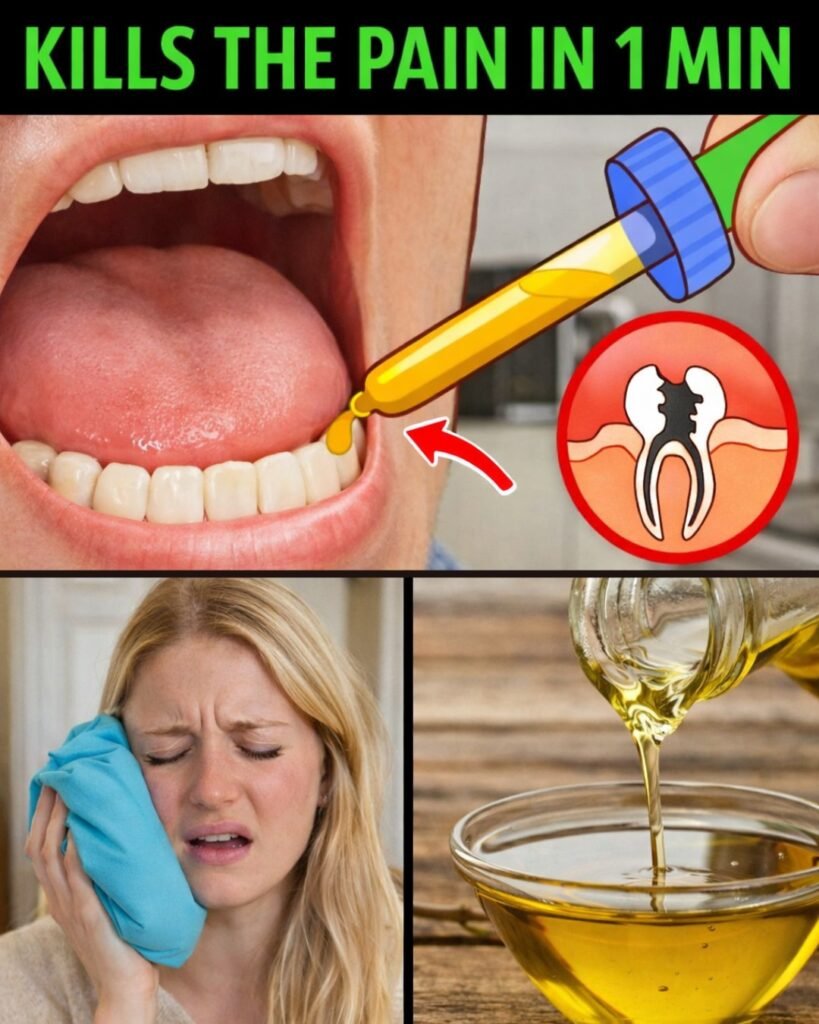
Imagine a sudden, sharp pain shooting through your tooth while you’re trying to enjoy a meal or focus on your day. The discomfort builds fast, making every sip of coffee or bite of food feel unbearable, and it disrupts your sleep, work, and mood. You’ve likely been there—searching for anything that might calm it down until you can get professional help. The good news is that several everyday items around your home may offer temporary soothing in minutes. And toward the end of this article, you’ll discover one approach that many people find brings the fastest, most noticeable comfort.

Why Toothaches Can Feel So Intense (And Why Quick Relief Matters)
Tooth pain often comes from inflammation, irritation of the nerve, or pressure from decay, infection, or injury. Nerves in the dental pulp are highly sensitive, so even small triggers like hot/cold foods or trapped debris can create throbbing discomfort.
Research shows that addressing pain early—even temporarily—can make waiting for a dental appointment more manageable. Simple home methods may help by reducing swelling, numbing the area, or cleansing gently. But these are only bridges to professional care, not long-term fixes.
Ready to explore options that have helped millions? Let’s count down 10 accessible approaches, starting with the simplest.
10. Saltwater Rinse: A Gentle Cleansing Start
One of the easiest and most recommended first steps is a warm saltwater rinse. Salt acts as a natural disinfectant and may help loosen debris while drawing out excess fluid to ease swelling.

How to try it:
- Dissolve ½ teaspoon of salt in 8 ounces of warm water.
- Swish gently for 30 seconds, then spit.
- Repeat several times a day as needed.
Many people notice a cleaner, calmer feeling within minutes. Dental experts often suggest this as a safe initial step because it’s gentle and uses ingredients you already have.
But that’s not all—sometimes external cooling works even faster…
9. Cold Compress: Quick External Numbing
Applying something cold to the outside of your cheek can constrict blood vessels and reduce inflammation rapidly.
How to do it safely:
- Wrap an ice pack or frozen peas in a thin cloth.
- Hold against the painful area for 15–20 minutes.
- Take a 10-minute break, then repeat.
People often report the sharp edge of pain dulling quickly. Studies on cold therapy support its use for reducing swelling in oral discomfort.
You might be wondering about something you can apply directly to the tooth…

8. Clove Oil: A Traditional Numbing Option
Clove oil contains eugenol, a compound with natural numbing properties that has been used in dentistry for decades.
How to use it carefully:
- Dilute 1–2 drops of clove oil in a teaspoon of carrier oil (like olive oil).
- Soak a cotton ball and place it near the painful tooth (not on gums for too long).
- Or dab gently with a clean finger.
Many feel a warming, numbing sensation within minutes. Research published in the Journal of Dentistry notes eugenol’s potential anesthetic effect.
Here’s an interesting twist—another kitchen staple packs antibacterial power…

7. Fresh Garlic: Nature’s Bold Helper
Garlic releases allicin when crushed—a compound with antibacterial and anti-inflammatory properties.
Simple application:
- Crush one fresh clove to make a paste.
- Apply a small amount directly or mix with a pinch of salt.
- Leave for a few minutes, then rinse.
Some people experience gradual soothing. Traditional use and lab studies highlight allicin’s role, though the taste is strong.
Next up: a refreshing, cooling approach…
6. Peppermint Tea Bag: Mild Menthol Relief
Peppermint contains menthol, which creates a cooling sensation and may mildly numb the area.
Easy method:
- Steep a peppermint tea bag in hot water, then cool it in the fridge.
- Place the damp, cool bag against the sore spot for 10–15 minutes.
The gentle cooling often brings quick comfort. Sources note menthol’s traditional soothing use.
But what if you want deeper cleansing?
5. Hydrogen Peroxide Rinse: Temporary Bacterial Reduction
A diluted hydrogen peroxide rinse can help clean the area by releasing oxygen bubbles.
Important steps:
- Mix equal parts 3% hydrogen peroxide and water.
- Swish for 30 seconds, then spit and rinse thoroughly with plain water.
- Never swallow.
This may reduce bacteria temporarily. Dental guidelines stress dilution and caution.
Sometimes the simplest change is positional…
4. Elevate Your Head: Reduce Pressure Overnight
Keeping your head elevated can lessen blood flow to the area, reducing throbbing.
How to do it:
- Use extra pillows to prop yourself up while resting or sleeping.
- Avoid lying completely flat.
Many notice less intensity, especially at night.
Here’s a surprising technique backed by pain research…
3. Hand Ice Massage: Distract the Pain Signals
Rubbing ice on the webbed area between thumb and index finger (the LI-4 acupressure point) may interrupt pain signals through “gate control” theory.
Quick steps:
- Hold an ice cube in a cloth.
- Massage the hand on the same side as the pain for 5–7 minutes.
Small studies on acupressure suggest it can provide distracting relief.
For more direct help, many reach for…
2. Over-the-Counter Pain Relievers
Medications like ibuprofen or acetaminophen can target inflammation and block pain signals systemically.
Safe use tips:
- Follow label dosage exactly.
- Ibuprofen may be especially helpful if swelling is present.
- Take with food to protect your stomach.
These often bring noticeable ease within 30–60 minutes when used appropriately.
But the approach many people find most effective? Combining a few methods…
1. Layer Simple Methods for Faster Comfort
The top strategy isn’t just one remedy—it’s thoughtfully combining 2–3 gentle ones. For example:
- Start with a saltwater rinse.
- Follow with a cold compress.
- Add diluted clove oil if tolerated.
People who layer these often report the quickest, most sustained temporary soothing. The effects can complement each other—cleansing, cooling, and numbing together.
Quick Comparison of the 10 Methods
| Method | Potential Speed | Main Action | Key Notes |
|---|---|---|---|
| Saltwater Rinse | Minutes | Cleansing & swelling reduction | Safe, repeat often |
| Cold Compress | Fast | External numbing | 15–20 min cycles |
| Clove Oil | Minutes | Natural anesthetic | Always dilute |
| Fresh Garlic | Gradual | Antibacterial | Strong flavor |
| Peppermint Tea Bag | Quick cooling | Mild menthol numb | Use cooled bag |
| Hydrogen Peroxide Rinse | Minutes | Temporary cleansing | Rinse thoroughly after |
| Elevate Head | Overnight help | Reduces pressure | Simple position change |
| Hand Ice Massage | 5–7 minutes | Pain signal distraction | Easy anywhere |
| OTC Pain Reliever | 30–60 minutes | Systemic relief | Follow dosage |
| Combine Methods | Fastest overall | Multi-action support | Start gentle, layer carefully |
Results vary by person and cause of pain.
Safe Steps to Try These Remedies
- Start with the gentlest (saltwater or cold compress).
- Test small amounts first to check for irritation.
- Never swallow rinses.
- Stop any method if discomfort increases.
- Use only as temporary measures—schedule dental care.
When to seek professional help immediately:
- Swelling in face or gums
- Fever or pus
- Pain lasting more than 1–2 days
- Difficulty breathing or swallowing
Final Thoughts: Take Gentle Action Today
Toothache discomfort can feel overwhelming, but these 10 simple home approaches may help bridge the gap until you see a dentist. From cleansing rinses to cooling compresses and careful combinations, many people find meaningful temporary ease with everyday items.
Prioritize your comfort—try one or two safely tonight, stay hydrated, and book that dental appointment soon.
Frequently Asked Questions
How long can I safely use these home remedies?
Most are fine for short-term use (1–2 days) while waiting for professional care. Stop if symptoms worsen.
Are these methods safe for children?
Some (like saltwater rinse or cold compress) may be gentle enough, but always consult a pediatric dentist first and use extra caution with oils or medications.
When should I definitely see a dentist for tooth pain?
Seek care right away if you have swelling, fever, severe pain lasting days, or signs of infection.
This article is for informational purposes only and is not a substitute for professional dental or medical advice. Always consult your dentist or healthcare provider for diagnosis and personalized guidance.