
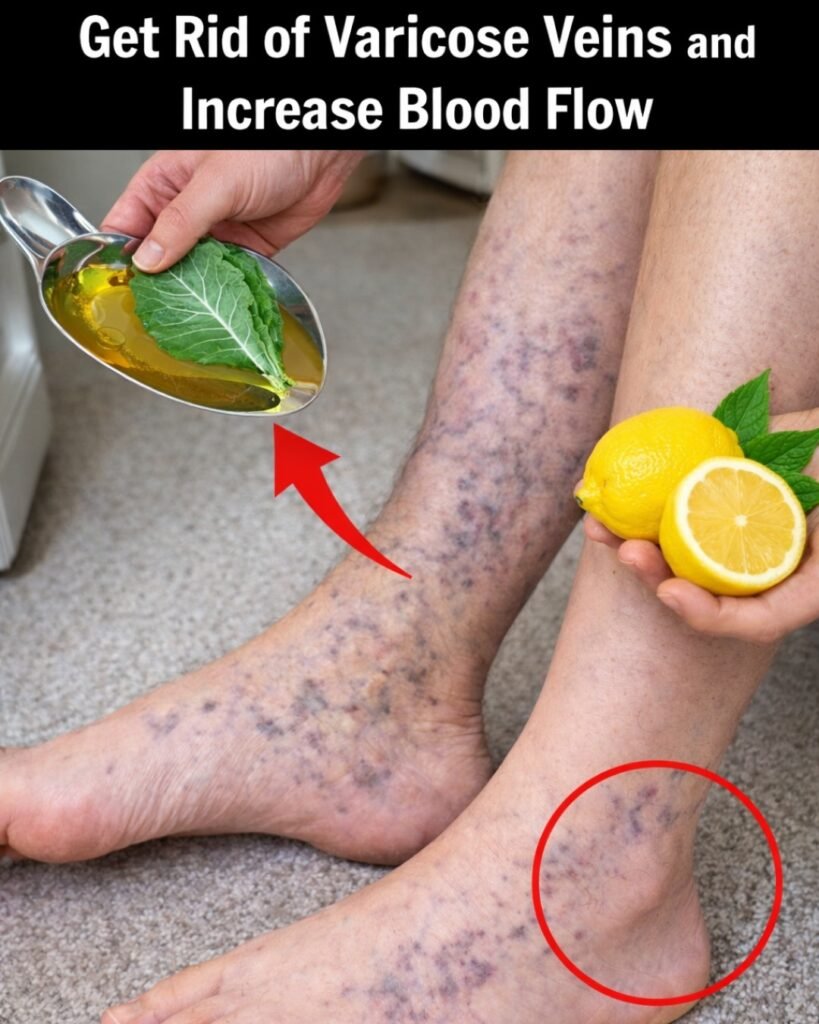
That heavy, achy feeling in your legs after a long day isn’t just tiring—it’s a common sign of varicose veins, those bulging, twisted veins that can leave you feeling self-conscious, uncomfortable, and drained. Millions deal with swelling, fatigue, and that persistent heaviness, especially as we age, during pregnancy, or from hours of standing or sitting. The discomfort builds quietly, making simple activities feel exhausting and stealing your confidence in shorts or skirts. But here’s the encouraging part: everyday lifestyle adjustments can help ease these symptoms and promote smoother blood flow without invasive steps.
What if consistent, small habits could lighten that leg fatigue and help your circulation feel more effortless? In this guide, we’ll explore 10 practical, research-backed natural approaches—from the simplest habits to supportive additions—that may make your legs feel noticeably better over time. Stick around to the end for a surprising everyday trick many overlook that ties everything together.

Why Focus on Natural Support for Vein Health?
Varicose veins develop when vein valves weaken, allowing blood to pool instead of flowing upward efficiently. This leads to pressure buildup, inflammation, and those visible changes. While these changes won’t disappear overnight, evidence from studies suggests lifestyle tweaks can reduce discomfort like pain, swelling, and tiredness while supporting better venous function.
Research highlights how consistent habits strengthen vein walls, reduce inflammation, and activate the “muscle pump” in your calves to aid return blood flow. Let’s dive into the countdown, starting with the easiest wins.
10. Stay Hydrated Throughout the Day
Dehydration makes blood thicker and harder to circulate against gravity, worsening pooling in the legs. Proper fluid intake maintains blood volume and supports smoother flow.
Aim for at least 8 glasses of water daily—more if you’re active or in a hot climate. Many notice subtle energy boosts and less evening heaviness when staying consistent. But hydration sets the stage; the next habit builds on it directly.

9. Opt for Low-Heel Shoes and Loose-Fitting Clothing
High heels and tight clothing (especially around the waist, thighs, or groin) limit calf muscle movement and restrict venous return, increasing pressure on veins.
Switch to flat or low-heeled shoes to engage your calves like a natural pump with each step. Loose pants or skirts allow freer circulation too. Experts point out this simple swap often reduces swelling by day’s end. Ready for an even easier relief technique?
8. Elevate Your Legs Regularly
Gravity assists drainage when legs are raised above heart level, reducing fluid buildup and pressure in the veins.
Lie back and prop your legs on pillows for 15-20 minutes, a few times daily—perhaps while reading or watching TV. Many report lighter, less swollen legs afterward. This passive approach feels great, but adding gentle touch can enhance comfort.
7. Try Gentle Upward Massage
Light, upward strokes from ankles toward thighs can encourage fluid movement and venous return while soothing tired muscles.
Use gentle pressure with lotion or oil—avoid deep or aggressive rubbing to prevent irritation. Combined with elevation, it offers quick relief from heaviness. But for ongoing support, external aid often steps in next.
6. Wear Compression Stockings Daily
Graduated compression stockings apply gentle pressure—strongest at the ankle—helping veins and muscles push blood upward more effectively.
Studies show knee-high options (around 18-21 mmHg) can reduce aching and swelling noticeably within weeks. Think of them as a supportive hug for your legs during active hours. For amplified benefits, pair this with active movement.

5. Incorporate Flavonoid-Rich Foods
Flavonoids in berries, citrus fruits, grapes, and dark leafy greens may help strengthen vein walls, reduce inflammation, and support better tone.
Research links these plant compounds to improved venous health and less puffiness over time. Add a handful of blueberries to breakfast or an orange as a snack—their antioxidants work quietly from within. This dietary boost supercharges the next key habit.
4. Commit to Regular Low-Impact Exercise
Activities like walking, swimming, or cycling activate your calf muscles, which act as a “second heart” to pump blood back up.
Aim for 30 minutes most days. Regular movement improves circulation, helps manage weight, and eases pressure on veins. Many feel that end-of-day ache fade with consistent walks. Here’s a natural option some find particularly helpful.
3. Explore Horse Chestnut Seed Extract
Standardized horse chestnut seed extract (with aescin) has shown promise in easing leg swelling, pain, and heaviness in those with venous concerns.
Multiple studies, including comparisons to compression, suggest it supports symptom relief. Always consult your doctor before starting supplements to ensure it’s suitable for you. Another plant-based antioxidant follows closely.
2. Consider Grape Seed or Pine Bark Extracts
These provide oligomeric proanthocyanidins (OPCs), powerful antioxidants that may fortify blood vessels and reduce inflammation.
Preliminary research indicates potential benefits for circulation and swelling. They’re often used as daily additions for vascular support—again, check with a healthcare provider first. Now, the foundational step that amplifies all others.
1. Maintain a Healthy Weight Through Balanced Choices
Extra weight adds pressure on leg veins, worsening symptoms and pooling.
Even modest weight loss through balanced eating and activity can dramatically lighten the load. Combined with the habits above, it stands out as highly impactful. Many notice clearer improvements in comfort and appearance.

Quick Comparison: How These Approaches Stack Up
Here’s a handy overview to help prioritize:
- Stay Hydrated — Prevents thick blood; Maintains volume & fluidity; Very Easy
- Low-Heel Shoes & Loose Clothes — Reduces restriction; Allows freer return; Easy
- Leg Elevation — Drains fluid via gravity; Reduces pooling quickly; Very Easy
- Gentle Massage — Breaks up buildup; Encourages upward flow; Easy
- Compression Stockings — Provides external support; Aids pumping; Moderate
- Flavonoid-Rich Foods — Strengthens vessel walls; Reduces inflammation & improves tone; Easy
- Low-Impact Exercise — Activates calf muscle pump; Pushes blood upward actively; Moderate
- Horse Chestnut Extract — May reduce swelling & pain; Supports vein integrity; Moderate (consult doctor)
- Grape Seed/Pine Bark Extracts — Antioxidant protection; Enhances vessel strength; Moderate (consult doctor)
- Healthy Weight Maintenance — Lowers vein pressure; Prevents overload; Ongoing Effort
These work synergistically—exercise plus compression often yields stronger results.
Actionable Tips to Get Started Safely
Start small for lasting change:
- Pick 2-3 habits (like hydration, elevation, and walking) and track leg comfort over 2 weeks.
- For compression stockings, get properly fitted—wear during the day and remove at night. Consult if skin issues arise.
- When adding supplements, choose standardized products and discuss with your doctor to avoid interactions.
- Stay consistent—daily habits build gradual improvements.
- Monitor changes in pain, swelling, or fatigue. Seek professional help if symptoms worsen.
Many in studies report less aching and lighter legs with persistence. Begin today—perhaps with a short walk or evening elevation—and notice how your legs respond.
P.S. Even simple ankle pumps (flexing your feet up and down) while sitting can activate circulation—try it during calls or TV time for an easy boost!
Frequently Asked Questions
How long until I notice improvements in varicose vein symptoms?
Many see reduced swelling and heaviness within weeks of consistent habits like compression and elevation, though full benefits often build over months.
Are natural supplements safe for everyone with vein issues?
They show promise but aren’t suitable for all—consult your healthcare provider, especially if on medications, to check for interactions.
Can these approaches replace medical treatment?
No, they’re supportive for symptom management. See a doctor for personalized advice, especially if veins worsen or ulcers develop.
This article is for informational purposes only and is not a substitute for professional medical advice. Consult your healthcare provider for personalized guidance on vein health.